In major metropolitan hubs worldwide, coffee is often purchased as a transactional utility—a quick caffeine delivery system consumed on the subway or hurried walk to the office. In South Korea, however, the café occupies a completely different psychological and sociological territory.
From the 1960s 'Dabang' to Urban Living Rooms
To understand modern Korean cafés, one must look back to the mid-20th century Dabang (다방). These were nostalgic communal tea houses where writers, intellectuals, and musicians met to debate philosophy over hot tea or instant coffee enriched with an egg yolk (morning coffee).
As urban apartment living expanded rapidly during the late 1990s and 2000s, living quarters in Seoul grew compact. Young professionals and creatives sought a "Third Space"—neither the high-pressure workplace nor the shared family home. The modern boutique café evolved to fill this exact societal yearning.
The Seongsu-dong Industrial Renaissance
Dubbed the 'Brooklyn of Seoul', Seongsu-dong was once a bustling center of shoe manufacturing and metal workshops. Over the last decade, young coffee purveyors and spatial designers converted these red-brick industrial warehouses into breathtaking multi-sensory ateliers.
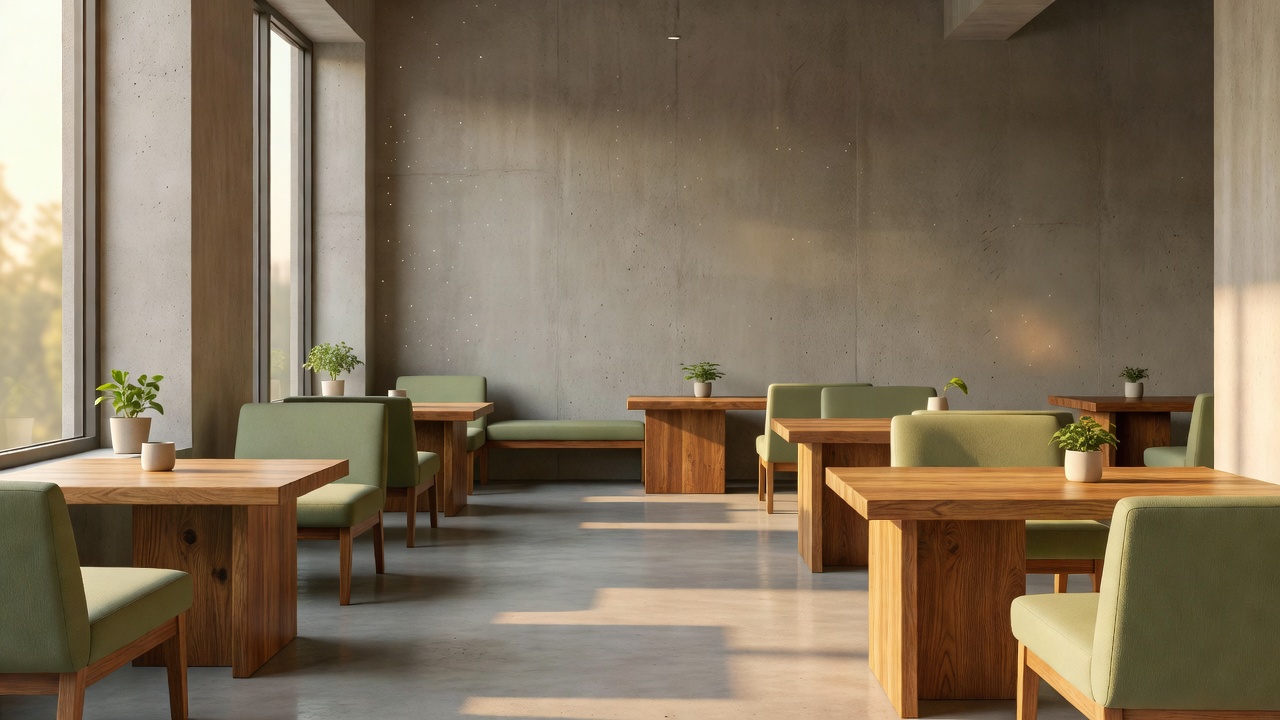
At Pickorahappybundl, we honor this design dialectic. We juxtapose raw natural surfaces (concrete, exposed oak, earth-toned linens) with meticulously calibrated beverages that mirror the care of a fine dining experience. Every detail—from the weight of the ceramic mug to the speed of the espresso drip—is calibrated to invite mindful breathing and peaceful pause.